

The world of work is in a constant state of flux. New technologies emerge, industries evolve, and the skills needed for success are constantly changing. In this dynamic landscape, lifelong learning becomes not just an option, but a necessity.
This blog post empowers you to become a lifelong learner. We’ll equip you with the tools and strategies to:
- Embrace the Growth Mindset: Shifting your perspective to see challenges as opportunities for learning and growth.
- Identifying Skill Gaps: Uncovering areas where your current skills might not be enough to keep you competitive.
- Building Your Development Plan: Creating a personalized plan to address skill gaps and acquire new knowledge and abilities.
- Exploring Learning Resources: Discovering a multitude of resources available to fuel your lifelong learning journey.
- Staying Motivated: Developing strategies to maintain your enthusiasm and commitment to continuous learning.
Embrace the Growth Mindset: Seeing Challenges as Opportunities

The first step to becoming a lifelong learner is adopting a growth mindset. This means believing that your abilities are not fixed, but can be developed and improved through effort and dedication. People with a growth mindset view challenges as opportunities to learn and grow, while those with a fixed mindset see them as obstacles to overcome.
- Challenge Your Assumptions: Don’t shy away from tasks outside your comfort zone. Embrace challenges as opportunities to learn new skills and expand your knowledge base.
- Learn from Mistakes: View setbacks as learning experiences. Analyze your mistakes, identify areas for improvement, and use them as stepping stones for growth.
- Celebrate Progress: Focus on the progress you’ve made, not just the end goal. Acknowledge your achievements, no matter how small, to maintain motivation.
Identifying Skill Gaps: Knowing What You Don’t Know
The first step to bridging skill gaps is identifying them. Here’s how to assess your current skillset and uncover areas for development:
- Job Descriptions: Analyze the job descriptions for your current role or your dream role. Identify the skills and qualifications listed and compare them to your own skillset. This reveals potential gaps.
- Performance Reviews: Review past performance reviews from managers or colleagues. Feedback might highlight areas where additional skills or knowledge could benefit your performance.
- Industry Trends: Research current and projected trends in your industry. Identify the skills in demand and the direction your industry is moving in. This helps you anticipate future skill gaps.
- Self-Assessment Tools: Utilize online or offline skills inventories to assess your abilities in various areas. This can provide a starting point for self-reflection and highlight potential areas for development.
Building Your Development Plan: Charting Your Course
Once you’ve identified your skill gaps, it’s time to create a personalized development plan. This plan acts as a roadmap, guiding your learning journey and ensuring you stay focused.
- Set SMART Goals: Establish Specific, Measurable, Achievable, Relevant, and Time-bound goals for skill development. Break down larger goals into smaller, manageable steps to maintain motivation.
- Choose Your Learning Method: Explore various learning methods that suit your learning style and preferences. This could include online courses, workshops, conferences, mentorship programs, or self-directed learning through books and articles.
- Allocate Time for Learning: Schedule dedicated time slots in your calendar for learning activities. Treating learning like an important appointment increases the likelihood of commitment.
- Find a Learning Partner: Consider partnering with a colleague or friend who shares similar learning goals. This can provide accountability, support, and the opportunity to discuss concepts and share resources.
Exploring Learning Resources: A World of Knowledge Awaits
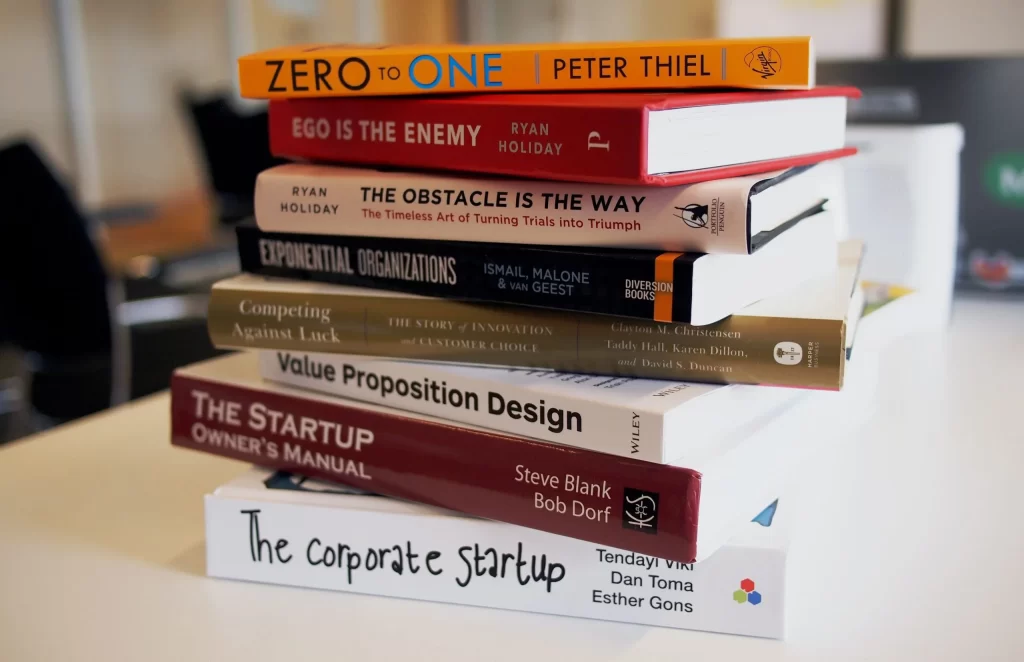
The good news? There are a multitude of resources available to fuel your lifelong learning journey. Here are a few to consider:
- Online Courses: Online platforms like Coursera, edX, and Udemy offer a vast array of courses on virtually any subject imaginable, from affordable self-paced options to accredited programs.
- Books and Articles: Books and articles remain a valuable source of knowledge. Explore industry publications, professional journals, and books by leading experts in your field.
- Workshops and Conferences: Attend industry workshops and conferences to gain insights from experts, network with colleagues, and discover the latest trends and innovations.


 TAVE Tose is proud to announce that we are now the official distribution partner with PECB an internationally recognised certifying body for individuals in International Standard Organisation – ISO