


Africa stands at a pivotal juncture in its economic trajectory. For decades, the continent has grappled with the paradox of abundant natural resources coexisting with limited industrial capacity, heavily reliant on the export of raw materials and the import of finished goods. This dynamic has often hindered sustained economic growth, limited job creation, and perpetuated vulnerabilities to global commodity price fluctuations. However, a transformative wind is now blowing across the continent, carrying the promise of a revitalized industrial landscape: the African Continental Free Trade Area (AfCFTA).
The AfCFTA, officially launched in January 2021, represents a monumental undertaking – the creation of the world’s largest free trade area by number of participating countries, connecting 1.3 billion people across 55 African Union member states with a combined GDP of approximately $3.4 trillion. Beyond its sheer scale, the AfCFTA holds the potential to be a game-changer for regional manufacturing in Africa, offering an unprecedented opportunity to diversify economies, foster industrial growth, and ultimately propel the continent towards greater prosperity.
This article delves into the crucial role of the AfCFTA in promoting regional manufacturing. We will explore the mechanisms through which it aims to achieve this, the potential benefits it unlocks, the challenges that must be navigated, and the statistical and factual evidence that underscores its transformative potential.
Breaking Down the Barriers: How AfCFTA Fuels Manufacturing Growth

At its core, the AfCFTA seeks to dismantle the trade barriers that have historically fragmented African markets. By progressively reducing and eventually eliminating tariffs on 97% of goods, the agreement aims to create a single continental market for goods and services. This has profound implications for African manufacturing:
- Expanded Market Access: Manufacturers will gain access to a significantly larger consumer base, moving beyond the limitations of their national markets. A company based in Nigeria, for instance, will find it easier and more cost-effective to sell its products in Kenya, South Africa, or Egypt, and vice versa. This expanded demand can justify increased production, economies of scale, and greater investment in manufacturing capabilities.
- Reduced Trade Costs: Beyond tariffs, the AfCFTA also addresses non-tariff barriers (NTBs) such as cumbersome customs procedures, differing technical standards, and regulatory inconsistencies. Streamlining these processes will reduce the time and cost associated with cross-border trade, making regional manufacturing more competitive compared to relying on imports from outside the continent. According to the United Nations Economic Commission for Africa (UNECA), eliminating NTBs could potentially increase intra-African trade by a further 53.2%.
- Regional Value Chains: The AfCFTA encourages the development of regional value chains. Instead of individual countries focusing on producing entire goods from start to finish, different stages of the production process can be located in countries where they can be carried out most efficiently. For example, raw materials from one country could be processed in another, components manufactured in a third, and the final product assembled in a fourth, all within the AfCFTA framework, benefiting from reduced tariffs and streamlined logistics. This fosters specialization, efficiency, and deeper economic integration.
- Attracting Investment: The prospect of a unified African market is a significant draw for both domestic and foreign investment in the manufacturing sector. Investors are more likely to establish or expand manufacturing facilities in Africa if they can access a continent-wide market without facing a complex web of tariffs and regulations. The AfCFTA sends a powerful signal of Africa’s commitment to economic integration and industrial development, making it a more attractive investment destination.
- Promoting Industrial Diversification: By fostering regional manufacturing, the AfCFTA can help African economies diversify away from their reliance on raw material exports. Value addition through manufacturing creates more jobs, increases export earnings, and builds greater resilience to global commodity price shocks.
The Statistical and Factual Case for AfCFTA’s Manufacturing Impact
The potential of the AfCFTA to transform African manufacturing is supported by compelling statistics and factual projections:
- Intra-African Trade Potential: Currently, intra-African trade stands at a relatively low level compared to other regions. According to the African Export-Import Bank (Afreximbank), intra-African trade accounted for only around 15% of Africa’s total trade in 2020. The AfCFTA has the potential to significantly boost this figure. UNECA estimates that the AfCFTA could increase intra-African trade by 52.3% by 2022, and potentially double it over the longer term.
- GDP Growth and Income Gains: The World Bank projects that the AfCFTA could lift an additional 30 million Africans out of extreme poverty and boost incomes by $450 billion by 2035. A significant portion of this economic growth is expected to be driven by increased manufacturing output and trade.
- Job Creation: Manufacturing is a key driver of job creation, particularly for semi-skilled and skilled labor. As regional manufacturing expands under the AfCFTA, it is expected to generate millions of new jobs across the continent, absorbing a growing youth population and contributing to social and economic stability. The International Labour Organization (ILO) estimates that the AfCFTA could create over 18 million new jobs by 2025.
- Increased Value Addition: By processing raw materials and manufacturing goods within Africa, the continent can significantly increase the value of its exports. For example, instead of exporting raw cocoa beans, African countries could manufacture chocolate and other cocoa-based products, capturing a larger share of the global value chain. The AfCFTA provides the framework for fostering such value-adding activities across various sectors.
- Attracting Foreign Direct Investment (FDI): The unified market created by the AfCFTA makes Africa a more attractive destination for FDI, particularly in the manufacturing sector. A report by the Brookings Institution suggests that the AfCFTA could increase FDI inflows to Africa by between $30 billion and $80 billion annually.
- Specific Sector Opportunities: Several manufacturing sectors stand to benefit significantly from the AfCFTA:
- Agro-processing: Africa has vast agricultural resources. The AfCFTA can facilitate the development of regional value chains in agro-processing, transforming agricultural produce into higher-value food and beverage products for the continental market.
- Textiles and Apparel: The African textile and apparel industry has the potential to regain its former prominence. The AfCFTA can provide access to regional markets, enabling local manufacturers to compete with cheaper imports and create jobs.
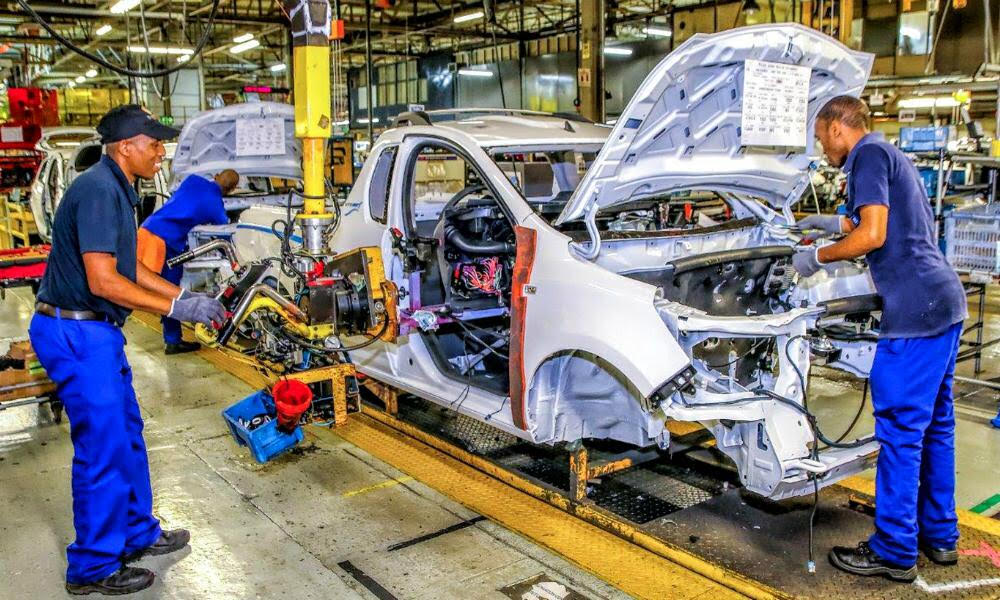
- Automotive: With a growing middle class and increasing demand for vehicles, the AfCFTA can support the development of a regional automotive manufacturing industry, reducing reliance on imports and fostering technological development.
- Pharmaceuticals: The COVID-19 pandemic highlighted Africa’s dependence on imported pharmaceuticals. The AfCFTA can incentivize the development of local pharmaceutical manufacturing capabilities, improving access to essential medicines and enhancing health security.
Navigating the Challenges: Ensuring AfCFTA’s Manufacturing Success

While the potential of the AfCFTA for regional manufacturing is immense, realizing its full benefits requires addressing several key challenges:
- Implementation and Enforcement: Effective implementation of the AfCFTA protocols, including the harmonization of tariffs, customs procedures, and standards, is crucial. Member states need to translate their commitments into concrete actions and ensure robust enforcement mechanisms are in place.
- Infrastructure Deficits: Inadequate infrastructure, particularly in transportation (roads, railways, ports) and energy, remains a significant bottleneck for manufacturing and trade in many African countries. Substantial investments in infrastructure are essential to facilitate the movement of goods and reduce production costs. According to the African Development Bank (AfDB), Africa faces an infrastructure financing gap of around $68-$108 billion per year.
- Non-Tariff Barriers (NTBs): Addressing NTBs, such as bureaucratic delays, restrictive regulations, and lack of transparency, is as important as eliminating tariffs. Mechanisms for identifying, reporting, and resolving NTBs effectively are crucial for seamless regional trade.
- Rules of Origin: Clear and mutually agreed-upon rules of origin are essential to prevent goods from outside the continent from simply being relabeled and entering the AfCFTA market tariff-free. Robust rules of origin will ensure that the benefits of the agreement accrue to genuinely African manufacturers.
- Competition and Adjustment Costs: As markets open up, some domestic industries may face increased competition from more efficient producers in other African countries. Transitional arrangements and support measures may be needed to help these industries adjust and become more competitive.
- Financing for Manufacturing: Access to affordable finance remains a major constraint for African manufacturers, particularly SMEs. Innovative financing mechanisms and policies to promote investment in the manufacturing sector are essential.
- Skills Development: A skilled workforce is crucial for a competitive manufacturing sector. Investing in education, vocational training, and technology transfer programs is vital to equip Africans with the skills needed for modern manufacturing processes.
The Future is Made in Africa: Leveraging AfCFTA for Industrial Transformation
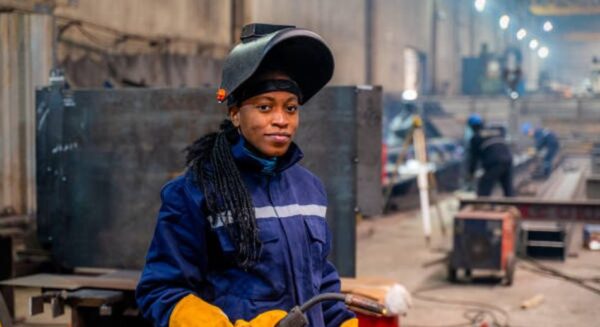
The AfCFTA represents a bold vision for Africa’s economic future. By fostering regional manufacturing, it offers a pathway towards industrialization, economic diversification, job creation, and greater prosperity. While challenges remain, the commitment of African leaders and the collective will to build a more integrated and prosperous continent provide a strong foundation for success.
To fully leverage the transformative potential of the AfCFTA for manufacturing, African governments, businesses, and civil society organizations must work collaboratively to:
- Prioritize industrial policy: Develop and implement coherent industrial policies that align with the AfCFTA framework and focus on building competitive advantages in key sectors.
- Invest in infrastructure: Significantly increase investments in transport, energy, and ICT infrastructure to facilitate trade and reduce the cost of doing business.
- Streamline regulations and procedures: Simplify customs procedures, harmonize standards, and eliminate NTBs to create a seamless trading environment.
- Promote skills development: Invest in education and training programs to build a skilled workforce capable of supporting a modern manufacturing sector.
- Facilitate access to finance: Develop innovative financing mechanisms to support investment in manufacturing, particularly for SMEs.
- Foster regional value chains: Encourage collaboration and partnerships among businesses across different African countries to build integrated supply chains.
- Promote “Made in Africa” brands: Support the development of strong African brands and promote the quality and competitiveness of locally manufactured goods.
The journey towards a vibrant and competitive African manufacturing sector under the AfCFTA will require sustained effort and commitment. However, the potential rewards – a more prosperous, integrated, and resilient Africa – are immense. The time is now for Africa to seize this historic opportunity and rewrite its industrial narrative, ensuring that the future is truly made in Africa.
By focusing on regional manufacturing within the framework of the AfCFTA, Africa can unlock its immense potential, create a brighter future for its citizens, and take its rightful place on the global industrial stage. The statistics and the vision are compelling – it is now time for action to turn this ambitious agreement into a tangible reality that transforms the lives of millions across the continent. The world is watching, and Africa is ready to build its industrial powerhouse, brick by economic brick, under the unifying banner of the AfCFTA.
 TAVE Tose is proud to announce that we are now the official distribution partner with PECB an internationally recognised certifying body for individuals in International Standard Organisation – ISO