


In the dynamic landscape of modern business, information security is no longer just an IT concern; it’s a critical business imperative. Organizations worldwide are grappling with sophisticated cyber threats, stringent data protection regulations like GDPR and POPIA, and the ever-present risk of data breaches. While information security certifications like CISSP and CISA are invaluable for individual professionals, they primarily validate knowledge. When it comes to building a truly resilient and proactive information security management system (ISMS), the focus shifts from individual credentials to robust frameworks. This is precisely where ISO 27005 emerges as an indispensable guide, not as a certification itself, but as the foundational roadmap for effective risk management.
This article delves deep into the power of ISO 27005, illuminating why it’s a superior approach for information security risk management compared to simply pursuing certifications. We’ll explore its core principles, distinguish it from common security certifications, highlight its significant benefits, and provide insights into how organizations can leverage this international standard to fortify their defenses against the evolving threat landscape.
Understanding ISO 27005: The Risk Management Roadmap
ISO 27005 is a comprehensive guideline published by the International Organization for Standardization (ISO). Unlike a certification that assesses an individual’s or organization’s compliance against a set of prescriptive rules for a specific point in time, ISO 27005 provides a structured methodology for conducting information security risk assessments. It offers a detailed, step-by-step approach for organizations to:
- Identify information security risks: Pinpointing potential threats and vulnerabilities that could compromise the confidentiality, integrity, and availability of information assets.
- Analyze information security risks: Evaluating the likelihood of a risk occurring and the potential impact it could have on the organization.
- Evaluate information security risks: Comparing the analyzed risk levels against predefined risk criteria to determine their significance and prioritize them.
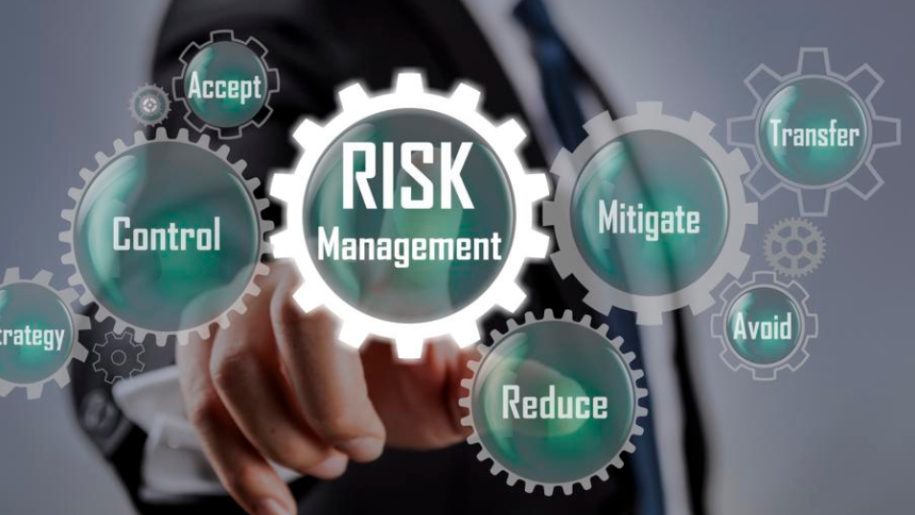
- Treat information security risks: Developing and implementing appropriate measures (controls) to mitigate, transfer, avoid, or accept identified risks.
- Monitor and review information security risks: Continuously tracking the effectiveness of risk treatments and reassessing risks as the organization’s environment and threat landscape evolve.
- Communicate and consult on information security risks: Ensuring that relevant stakeholders are informed about risks and involved in decision-making processes.
Essentially, ISO 27005 provides the “how-to” for the crucial risk management process embedded within any robust information security framework.
ISO 27005 vs. Security Certifications: A Critical Distinction
To truly appreciate the value of ISO 27005, it’s essential to differentiate it from security certifications:
- Focus: Security certifications (e.g., CISSP, CISA, CompTIA Security+) primarily validate an individual’s knowledge, skills, and experience in various security domains. They demonstrate theoretical understanding. ISO 27005, on the other hand, provides actionable guidance and a practical framework for implementing risk management practices within an organization. It’s about putting knowledge into practice.
- Flexibility and Customization: Certifications often involve standardized examinations. ISO 27005, conversely, is a flexible framework designed to be adaptable to any organization’s unique context, including its size, industry, regulatory requirements, and specific risk profile. This flexibility allows organizations to tailor their risk assessment methodology to their specific needs, ensuring a more relevant and comprehensive evaluation.
- Continuous Improvement: Many certifications are one-time assessments, requiring periodic renewal. ISO 27005, however, emphasizes continuous improvement. Information security risk management is not a static endeavor; it’s an ongoing process that requires regular review and updates to adapt to emerging threats, technological changes, and organizational shifts. This aligns perfectly with the Plan-Do-Check-Act (PDCA) cycleinherent in effective management systems.
- Organizational vs. Individual: Certifications are typically obtained by individuals to enhance their professional standing. ISO 27005, while often implemented by skilled professionals, directly benefits the entire organization by establishing a systematic approach to risk identification, analysis, and treatment.
Why ISO 27005 is Superior for Effective Risk Management
The advantages of adopting the ISO 27005 guidelines for information security risk management are manifold and directly contribute to a stronger cybersecurity posture:
- Actionable and Practical Guidance: Unlike abstract principles, ISO 27005 provides concrete steps and techniques for conducting risk assessments. This empowers organizations to move beyond theoretical understanding and take tangible actions to improve their security posture. It translates the concept of “risk management” into a structured, executable process.
- Tailored and Comprehensive Approach: The flexibility of ISO 27005 allows organizations to customize their risk assessment process. This means they can focus on the specific information assets, threats, and vulnerabilities that are most relevant to their operations. This tailored approach ensures a more thorough and effective evaluation, leading to more precise risk mitigation strategies.
- Seamless Integration with ISO 27001 ISMS: One of the most significant benefits of ISO 27005 is its seamless integration with ISO 27001, the internationally recognized standard for an Information Security Management System (ISMS). ISO 27001 requires organizations to conduct risk assessments and risk treatment. ISO 27005 provides the detailed methodology to fulfill these requirements. Together, they form a powerful synergy: ISO 27001 defines what needs to be managed for information security, and ISO 27005 explains how to manage the risks within that system. This synergy makes achieving and maintaining ISO 27001 compliance significantly more efficient and effective.
- Cost-Effectiveness: Implementing ISO 27005 doesn’t necessitate expensive third-party certifications or extensive training fees beyond what’s needed for internal competency development. Organizations can leverage existing internal resources or engage experienced consultants familiar with the framework to implement and manage their risk assessment processes. This makes it a highly resource-efficient approach to information security governance.
- Proactive Security Posture: By systematically identifying, analyzing, and treating risks, organizations shift from a reactive “firefighting” mode to a proactive security posture. This allows them to anticipate potential cyber threats and implement preventative security controls before incidents occur, minimizing the likelihood and impact of breaches.
- Improved Decision-Making: A robust risk management framework provides management with clear, data-driven insights into the organization’s risk exposure. This enables more informed decisions regarding security investments, resource allocation, and overall business strategy.
- Enhanced Compliance and Regulatory Alignment: Many regulatory frameworks and compliance requirements (e.g., NIST, COBIT, GDPR, POPIA) emphasize the importance of risk assessment and risk management. Implementing ISO 27005 helps organizations demonstrate due diligence and build a strong foundation for meeting these obligations, reducing the risk of penalties and reputational damage.
- Increased Stakeholder Confidence: Demonstrating a systematic and mature approach to information security risk management through ISO 27005 instills greater confidence in customers, partners, investors, and regulators. It signals a commitment to protecting sensitive data and maintaining business continuity, thereby enhancing trust and credibility.
- Adaptability to Evolving Threats: The digital threat landscape is constantly evolving, with new vulnerabilities, cyberattacks, and ransomware threats emerging regularly. The continuous monitoring and review cycles prescribed by ISO 27005 ensure that an organization’s risk management program remains relevant and effective in addressing these evolving challenges. This agility is crucial for long-term cyber resilience.
Implementing ISO 27005: A Phased Approach
Implementing ISO 27005 involves a structured process, often aligned with the ISMS lifecycle:
- Context Establishment: Define the scope of your information security risk management activities, considering internal and external factors, stakeholders, and legal/regulatory requirements. Establish risk criteria (e.g., impact and likelihood scales, risk acceptance thresholds).
- Risk Assessment:
- Risk Identification: Identify information assets, threats, and vulnerabilities.
- Risk Analysis: Determine the likelihood of threats exploiting vulnerabilities and the potential impact on assets. This can involve qualitative or quantitative methods.
- Risk Evaluation: Compare the analyzed risks against the established risk criteria to prioritize them.
- Risk Treatment: Develop and implement risk treatment options. These can include:
- Risk Modification (Mitigation): Applying security controls (e.g., encryption, access controls, firewalls, employee security awareness training) to reduce the risk.
- Risk Avoidance: Eliminating the risk by ceasing the activity that generates it.
- Risk Sharing (Transfer): Transferring the risk to a third party (e.g., through cyber insurance or outsourcing).
- Risk Acceptance: Acknowledging and accepting residual risks that fall within the organization’s risk acceptance criteria.
- Risk Acceptance: Formally approve the residual risks after treatment.
- Risk Communication and Consultation: Regularly communicate risk information to relevant stakeholders and involve them in decision-making.
- Risk Monitoring and Review: Continuously monitor risk factors, the effectiveness of security controls, and changes in the threat landscape. Periodically review and update the entire risk management process.
Conclusion: Your Roadmap to Cyber Resilience, Not Just a Badge
While information security certifications play a vital role in validating individual expertise, they are distinct from the comprehensive, organizational-level guidance offered by ISO 27005. This international standard provides the essential roadmap for effective information security risk management, enabling organizations to systematically identify, assess, treat, and monitor their cyber risks.
By focusing on practical guidance, fostering continuous improvement, and seamlessly integrating with the overarching ISO 27001 ISMS, ISO 27005 empowers businesses to build a robust and adaptive cybersecurity framework. It’s not about a badge on a resume; it’s about building a resilient, secure future for your organization in an increasingly complex digital world. Embrace ISO 27005 as your strategic compass for navigating the intricate landscape of information security threats and safeguarding your most valuable assets.


 TAVE Tose is proud to announce that we are now the official distribution partner with PECB an internationally recognised certifying body for individuals in International Standard Organisation – ISO