


For decades, mine safety has relied on a combination of personal protective equipment (PPE), rigorous training, and strict protocols. While these measures are essential, they often fall short in providing a complete safety net, especially in the face of unpredictable hazards. Accidents due to rockfalls, equipment malfunctions, gas leaks, and heat stress remain a significant risk.
Traditional safety measures are often reactive, responding to an incident after it has occurred. The time lag between an accident and the arrival of an emergency response team can be fatal, particularly in vast and remote mining environments. The lack of real-time data on a worker’s location, health status, and surrounding environmental conditions has been a major blind spot. This is the gap that wearable technology is designed to fill.
What is Wearable Technology in Mining?

Wearable technology for miners refers to a range of smart devices worn on the body or integrated into clothing and PPE. These devices are equipped with sensors, communication tools, and processors that collect and transmit data in real-time. They are the eyes, ears, and pulse of the mine, providing a continuous stream of information to a centralized control system.
The most common types of wearable devices in mining include:
- Smart Helmets: These are the most comprehensive wearable devices. Equipped with sensors for gas detection, temperature, humidity, and location tracking (GPS or RFID), they can alert both the worker and a control room to impending dangers. They often feature a panic button for emergencies.
- Wearable Sensors and Badges: These can be clipped to clothing or integrated into a safety vest. They monitor a worker’s biometric data, such as heart rate, body temperature, and activity levels. They can also detect a fall or “man-down” scenario and send an automatic alert.
- Smartwatches and Wristbands: These devices can track a worker’s health vitals and location. They are often used for monitoring fatigue, which is a major contributor to accidents.
- Proximity Detection Tags: These tags communicate with heavy machinery and other vehicles, creating dynamic safety zones. If a worker gets too close to a moving vehicle, the system can automatically alert the driver or even bring the machinery to a halt.
The Benefits of Real-Time Monitoring and Wearable Technology
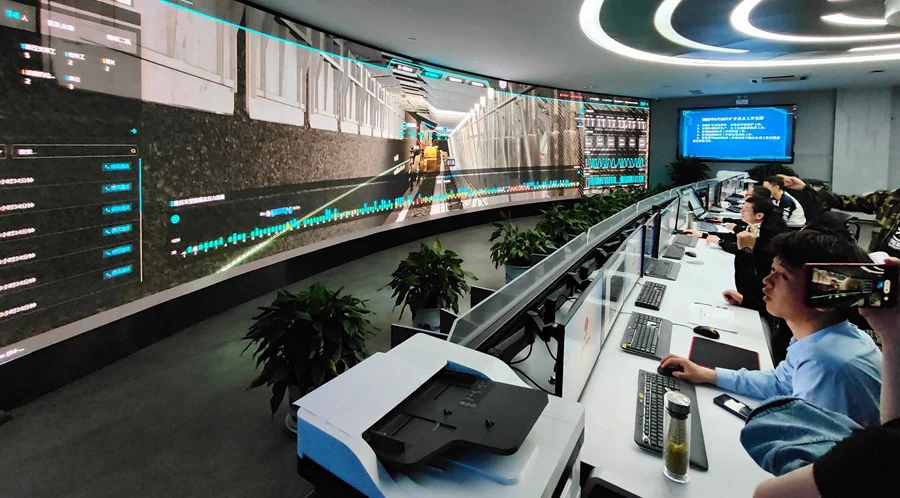
The adoption of wearable technology and real-time monitoring in the African mining industry is yielding a wide array of benefits that directly address the industry’s core challenges.
Enhanced Safety: The Proactive Approach
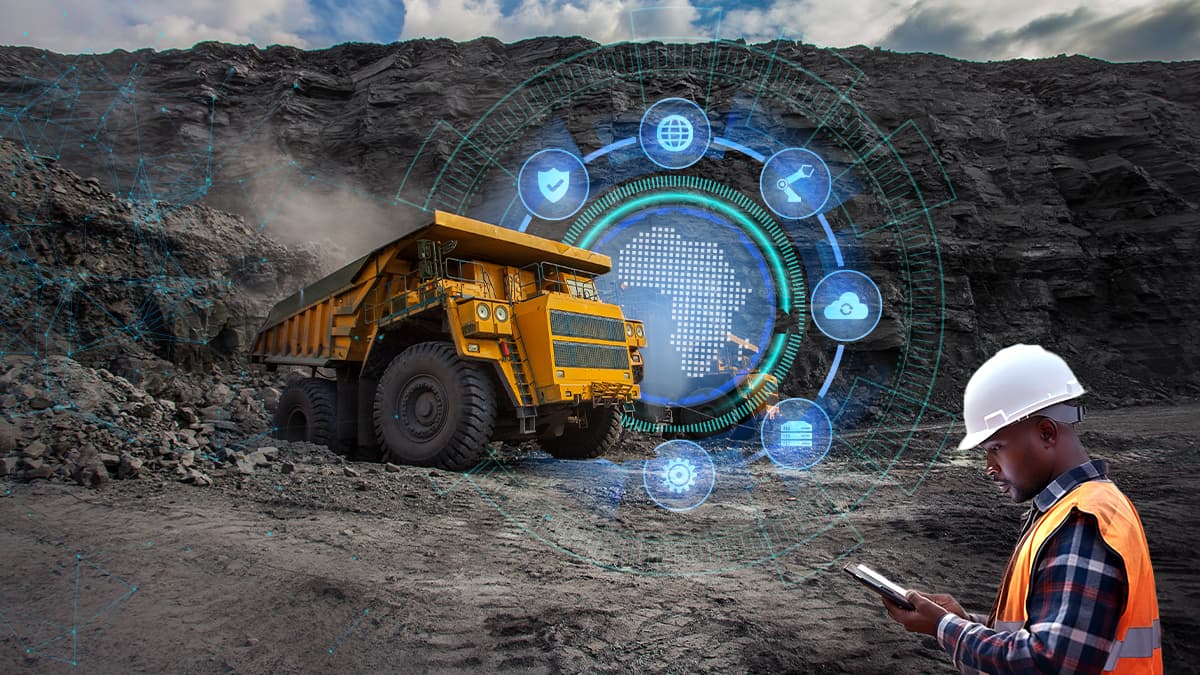
By providing a continuous flow of data, wearable technology shifts the safety paradigm from reactive to proactive.
- Hazardous Gas Detection: Smart helmets and sensors can detect dangerous gases like methane or carbon monoxide in real-time, alerting the worker and a control room before a toxic environment becomes life-threatening.
- Collision Avoidance: Proximity detection systems prevent accidents between workers and heavy machinery, which is a major cause of fatalities in both surface and underground mines.
- Fatigue and Heat Stress Monitoring: Biometric sensors can monitor a worker’s vital signs and activity levels. If a worker is showing signs of fatigue or heat stress, the system can issue an alert, prompting them to take a break or seek medical attention.
- Rapid Emergency Response: In the event of an accident, a panic button or an automatic fall-detection sensor can instantly alert emergency services with the worker’s precise location, drastically reducing response times and increasing the chances of survival.
Increased Productivity and Efficiency
While safety is the primary driver, wearable technology also has a significant impact on a mine’s operational efficiency.
- Real-time Location Tracking: GPS and RFID tags allow mine managers to know the exact location of every worker and piece of equipment. This is invaluable for optimizing workflow, managing personnel, and ensuring that teams are where they need to be.
- Data-Driven Insights: The data collected from wearables can be analyzed to identify operational inefficiencies. For example, by tracking worker movements, management can identify bottlenecks in a production process and make data-backed decisions to improve workflow.
- Remote Collaboration: Smart glasses and augmented reality (AR) wearables can allow a remote expert to guide an on-site technician through a complex repair, reducing downtime and the need for costly travel to a remote mine site.
Compliance and Accountability
The data collected from wearable devices provides a verifiable record of a mine’s health and safety environment. This helps companies demonstrate compliance with local and international regulations, such as South Africa’s Mine Health and Safety Act (MHSA), and build trust with regulatory bodies and communities.
Case Studies and Success Stories in Africa
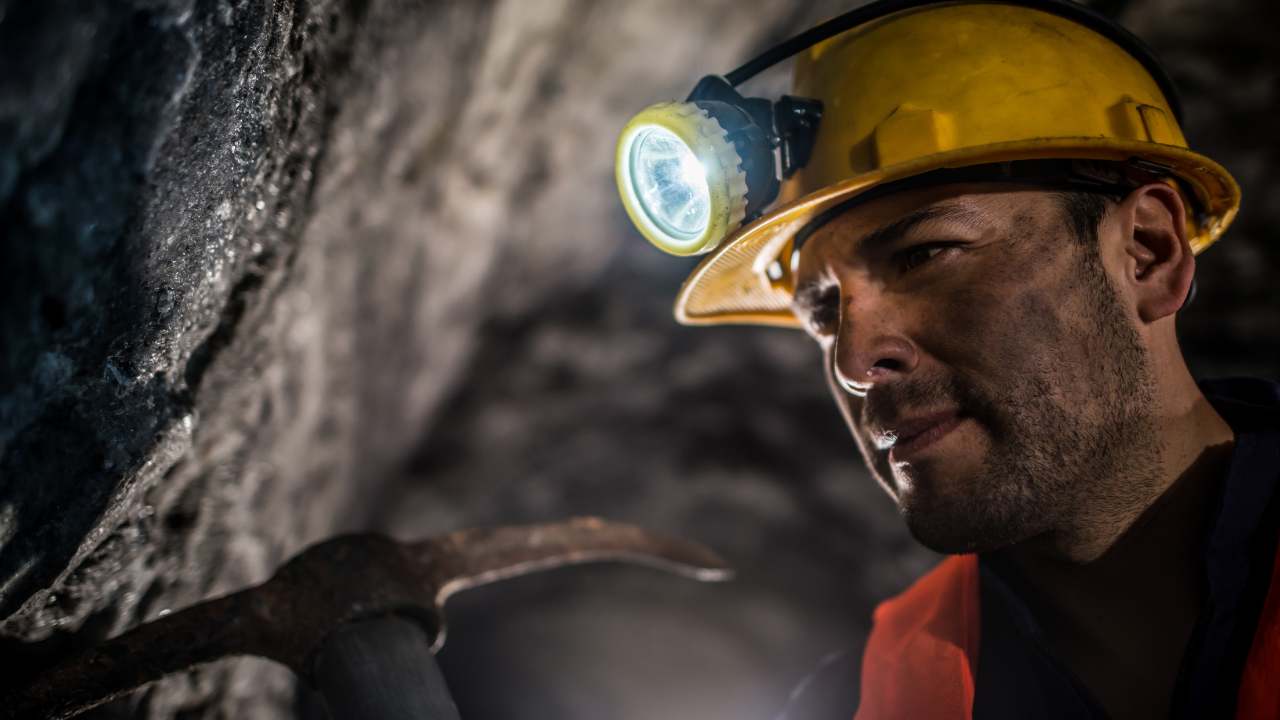
The implementation of wearable technology is gaining momentum across the African continent.
- Vodacom’s “Connected Worker” Solution: In South Africa, Vodacom Business successfully trialed a connected worker solution for a global mining company. The solution, which uses a smart device that can be attached to a worker’s PPE, features GPS, hazardous gas sensors, and fall detection. The trial, involving 8,000 devices, showed significant improvements in worker safety oversight and team productivity.
- Artisanal and Small-Scale Mining: Research is also underway to develop affordable smart helmet solutions tailored for artisanal miners, a critical but often overlooked segment of the African mining industry. These helmets aim to address the unique safety challenges faced by these miners, who often work in unregulated and high-risk environments.
Challenges and the Road Ahead for African Mining
Despite the immense potential, the widespread adoption of wearable technology in African mining faces several challenges.
- Cost and ROI: The initial investment in wearable devices, software, and a robust communication infrastructure can be a significant barrier, especially for smaller mining operations.
- Connectivity in Remote Locations: Many African mines are in remote areas with limited or no internet connectivity. This is a crucial hurdle, though technologies like Narrowband-IoT (NB-IoT) and satellite communication are helping to bridge this gap.
- Workforce Acceptance and Privacy Concerns: Some workers may be hesitant to use these devices due to concerns about privacy and constant surveillance. Gaining worker buy-in and fostering a culture of trust is paramount for successful implementation.
- Data Management and Analytics: The sheer volume of data generated by thousands of sensors can be overwhelming. Mines need to invest in the right skills and software to analyze this data effectively and turn it into actionable insights.
The future of mining in Africa is undeniably linked to digital transformation. By strategically addressing these challenges and embracing wearable technology, the continent’s mining industry can not only meet global demands but also create a safer, more sustainable, and more prosperous future for its workforce. The ultimate goal of “zero harm” is now more achievable than ever before, thanks to a small, smart device on a worker’s wrist or helmet.


 TAVE Tose is proud to announce that we are now the official distribution partner with PECB an internationally recognised certifying body for individuals in International Standard Organisation – ISO